

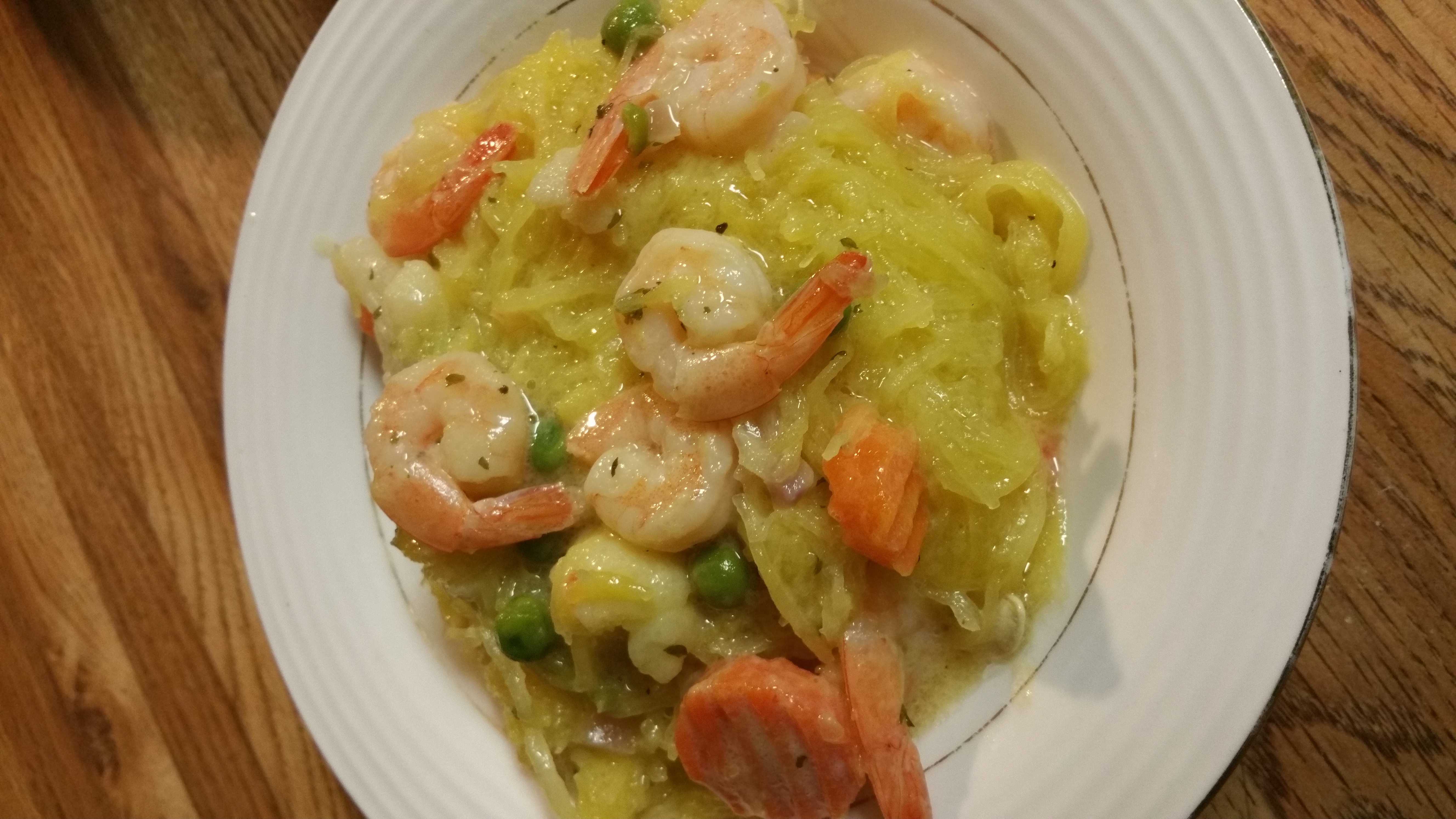
Spaghetti Squash to the rescue with this really easy Shrimp Alfredo Spaghetti Squash recipe. It’s been one of those days, the day was going great and then something unexpected happen. Your plans for the day go out the window and next thing you know it’s dinner time. If you’re a clean eater like I am that sometimes can be a little hard. I like to keep a few freezer meals on hand for occasions like this but sometimes that is not the option. I had the pleasure of taste testing some of the products that WildTree provided. So, of course on a hectic day I thought, let’s give this a try.
The results were an amazingly yummy meal thrown together quickly that was tasty and guilt free because Wild Oats preps sauces and dips are natural, organic and gluten-free. One of the things that I do miss is having already prepared seasoning, spices, sauces and dips so when a friend of mine offered for me to try out her WildTree products. I was all for it. I created a really yummy Shrimp Alfredo Spaghetti Squash recipe that was really feeling and my family love.
Spaghetti Squash Facts
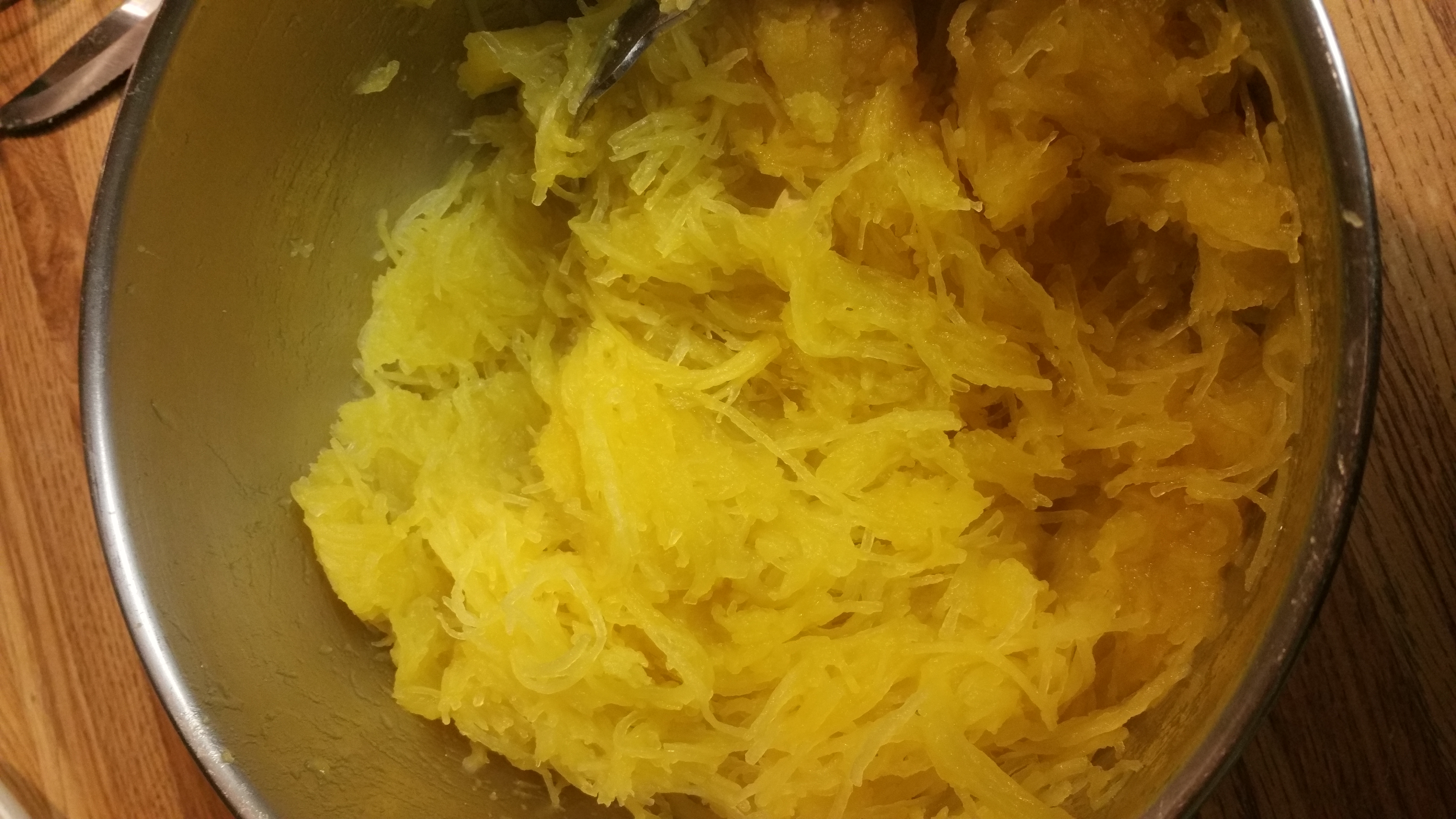
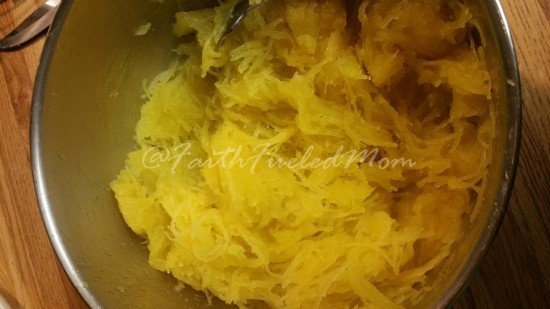
Spaghetti squash “meat” looks like spaghetti strands when cooked, so it is known as “vegetable spaghetti”, “noodle squash”, and “squaghetti”.
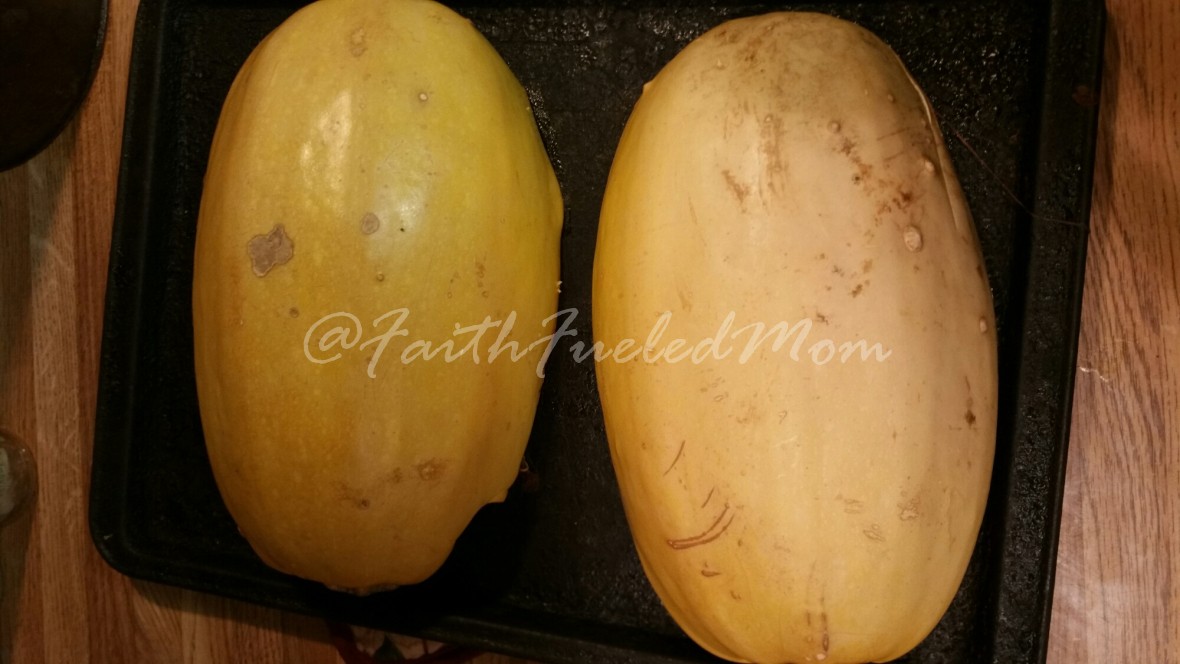
When you are looking for it in the store, Spaghetti squash is a long, oblong vegetable that measures between 8 and 14 inches in length, weighs 2 to 3 pounds. It is a variety of the winter squash family and has a mild taste similar to pasta but different texture. This squash variety is often used as a healthful substitute for pasta due to its low carbohydrate levels.3
Spaghetti squash is from China.4 In 1921, it was introduced to Japan by a Chinese agricultural research firm and was brought to the United States fifteen years later. It was commonly planted during World War II but only gained popularity in the late 20th century.
You can add Spaghetti squash to a variety of dishes, like soups,stews, or eaten raw. Serve it as “spaghetti,” and top it with a wide variety of pasta sauces.
Don’t grab a spaghetti squash that is marred with green marks. It can be stored at room temperature for several weeks.5
Health Benefits of Spaghetti Squash
Spaghetti squash is nutritionally superior to regular pasta it is loaded with vitamins and other nutritional content. Spagehtti squash is very versatile and contains about 457% of the recommended daily intake of vitamin A and 52% of vitamin C,7 which can help prevent free radical damage to cells. It also is packed with antioxidants such as beta-carotene, lutein, and zeaxanthin, which are all linked to healthy vision and optimal eye health. Rich in the B vitamins riboflavin, niacin, and thiamin, which promote optimal cellular function.8 Folate is also found in this bright-colored vegetable. Folate can also help filter out homocysteine from your blood and promote cardiovascular health. A fantastic source of Potassium, a mineral that maintains proper muscle and nerve function, is also present in spaghetti squash, making it helpful for people with high blood pressure. Spaghetti Squash also is a good source of the mineral Manganese, it assists in bone and tissue heath, metabolism, calcium absorption, and nerve function, is another key component.9 Spaghetti squash also contains the essential minerals calcium, iron, phosphorus, and zinc.
If that wasn’t enough reason to consume spaghetti squash is it is a great source of omega-3 and omega-6 fats content. Omega-3 fats are associated with the prevention of inflammation, which may cause heart disease, arthritis, and certain types of cancer. On the other hand, omega-6 fats are linked to proper brain function. It is critical to maintain the ideal 1:1 ratio of these fats. Adding Spaghetti Squash to your diet is a fantastic way to save on calories and get some added essential minerals and vitamins that regular pasta doesn’t have.
[amd-yrecipe-recipe:1]